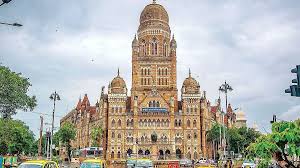
Mumbai, July 26, 2025 – As Mumbai braces for another monsoon season, the city’s persistent water woes are once again under the spotlight. While the Brihanmumbai Municipal Corporation (BMC) actively explores new water sources to bolster supply, critical internal issues like water theft and rampant leakages continue to undermine these efforts, leading to significant water loss. Recent data reveals a alarming trend: between January and June 2025 alone, the BMC registered a staggering 14,087 complaints related to water leakages across the city, painting a grim picture of systemic inefficiencies.
Among the 24 administrative wards, Kurla (L Ward) and Andheri East (K/East Ward) have emerged as the epicenters of this crisis, consistently reporting the highest number of leakage complaints. This concentration of issues in specific areas suggests not just isolated incidents, but potentially widespread infrastructure decay and lax enforcement.
The sheer volume of complaints underscores a critical failure on the part of the BMC to adequately address long-standing issues within its water distribution network. Despite ongoing efforts to secure Mumbai’s water future through external projects, the internal hemorrhaging of precious resources due to leaks and theft remains largely uncontained.
Water leakages, often a result of aging pipelines, poor maintenance, and illegal connections, not only lead to substantial water wastage but also contribute to unhygienic conditions and potential health hazards. In a city like Mumbai, where every drop of water is crucial, the loss of thousands of liters daily through preventable leaks is a serious concern.
The consistently high numbers in Kurla and Andheri East demand immediate and targeted intervention. These areas, densely populated and with a mix of residential and commercial establishments, likely suffer from a combination of factors including old infrastructure, unauthorized connections, and possibly inadequate monitoring.
Residents in these affected areas frequently report disruptions in water supply, reduced pressure, and visible pooling of water on roads and footpaths, all indicative of significant leakages. The frustration among citizens is palpable, as they witness valuable water seeping into the ground while simultaneously facing water cuts or erratic supply.
While the BMC’s long-term strategy to develop alternate water sources is commendable and necessary for a growing metropolis, it is equally, if not more, imperative to plug the existing holes in the system. The 14,087 leakage complaints in just six months serve as a stark reminder that simply increasing supply without curbing wastage is akin to pouring water into a leaky bucket.
The civic body needs to urgently prioritize a multi-pronged approach:
Aggressive Leak Detection and Repair: Implement advanced technologies for identifying hidden leaks and expedite repair works.
Infrastructure Overhaul: Invest in replacing old and dilapidated pipelines, particularly in consistently problematic areas like Kurla and Andheri East.
Public Awareness and Reporting: Encourage citizens to report leakages promptly and ensure swift response mechanisms.
Strict Action Against Water Theft: Enhance surveillance and impose stricter penalties on individuals and entities involved in illegal water connections.
Regular Audits and Maintenance: Establish a robust system for routine inspection and maintenance of the water distribution network.
Unless the BMC effectively tackles the deeply entrenched issues of water theft and leakages, Mumbai’s dream of a water-secure future will remain elusive. The data from the first half of 2025 is a clear call to action, demanding immediate and decisive measures to ensure that every drop of water reaches the citizens it is intended for.