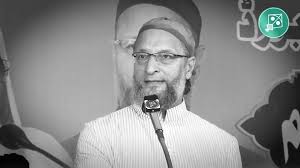
Mumbai, July 24, 2025: AIMIM chief and Member of Parliament Asaduddin Owaisi has voiced strong criticism of the Supreme Court’s recent decision to stay the Bombay High Court’s acquittal of twelve men who had earlier been convicted in the 2006 Aurangabad arms haul case. The apex court’s stay comes just days after the High Court had overturned their convictions, citing a lack of concrete evidence and serious flaws in the investigation.
Speaking out against the Supreme Court’s move, Owaisi raised concerns about the justice system’s apparent inconsistency and its impact on the lives of those who have spent nearly two decades behind bars. “The Bombay High Court had acquitted these men after thoroughly examining the facts. They were victims of a botched investigation and fabricated charges. Now the Supreme Court’s stay not only delays their justice further but also deepens the sense of alienation among Muslims who already feel targeted and wrongfully accused in terror-related cases,” he stated.
The 2006 Aurangabad arms haul case had made national headlines at the time, with the police claiming to have uncovered a major terror plot linked to Lashkar-e-Taiba. Several accused were arrested after a dramatic highway chase, and arms, ammunition, and explosives were allegedly seized. The case was tried under stringent anti-terror laws, and the accused were handed long prison terms, including life sentences.
However, in its recent judgment, the Bombay High Court highlighted significant procedural lapses, inconsistencies in witness testimonies, and questions over the chain of custody of the seized weapons. The court noted that the prosecution failed to establish clear and convincing evidence tying the accused directly to the alleged conspiracy.
Owaisi pointed to the broader pattern of wrongful arrests in terror cases, where many individuals are eventually acquitted after spending 10, 15, or even 20 years in prison. “These are not just legal mistakes — they are human tragedies. Who will give back the years lost, the reputations ruined, and the families destroyed?” he asked.
He also urged the judiciary to consider the long-term social impact of such decisions. “Justice delayed is justice denied. If courts acknowledge that the trial was flawed, why are the acquitted still being punished with further legal uncertainty?” Owaisi asked.
While the Supreme Court has only issued a stay and not yet reversed the High Court’s acquittal, the move has triggered fresh debate over the treatment of minority communities in terror investigations and the accountability of investigative agencies.
The coming weeks will be crucial as the Supreme Court hears arguments on both sides. Meanwhile, voices like Owaisi’s are expected to keep the spotlight on the human cost of prolonged incarceration and the need for urgent reform in India’s criminal justice system.