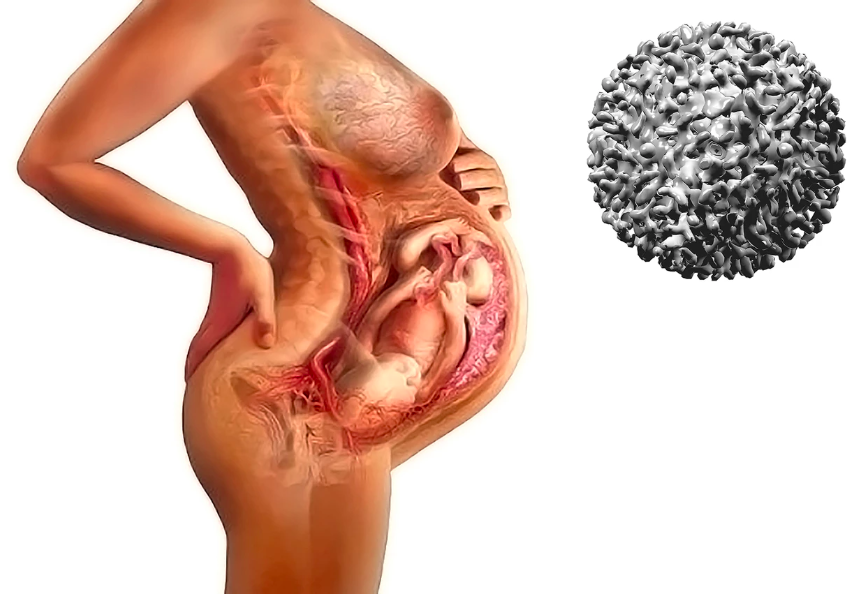
Are you pregnant? Have you been diagnosed with hepatitis? So, hepatitis during pregnancy can be stressful and worrisome. However, with timely testing, proper treatment, and regular medical care, most women can have a safe pregnancy and deliver a healthy baby.
Pregnancy is a crucial phase of a woman’s life. But finding out that you have hepatitis during pregnancy can cause panic and fear, but it does not mean you cannot have a healthy baby.
Dr Sumati Tadas, Gynecologist, Apollo Spectra Hospital Pune Said, “Hepatitis is an infection that affects the liver and can be caused by different viruses, including hepatitis A, B, C, D, and E. Among these, hepatitis B and hepatitis C are the most important during pregnancy as they can sometimes be passed from mother to baby. Timely diagnosis and treatment are crucial for pregnant women. So, women who are planning a pregnancy should get tested for hepatitis, especially hepatitis B and C. If hepatitis B is detected before pregnancy, vaccination for family members, regular liver check-ups, and treatment when needed can help reduce complications such as preterm birth, low birth weight, and transmission of the infection from mother to baby. Moreover, those women who are not infected with hepatitis B should consider getting vaccinated before becoming pregnant for better protection. During pregnancy, hepatitis may not always cause symptoms. However, some women may experience tiredness, nausea, loss of appetite, abdominal pain, dark urine, pale stools, or yellowing of the skin and eyes (jaundice). If these symptoms appear, immediate medical attention will be needed for women.”
One of the biggest concerns is whether the infection can spread to the baby. “Hepatitis B is most commonly passed from mother to child during childbirth. However, this risk can be reduced if the newborn receives the hepatitis B vaccine and hepatitis B immunoglobulin (HBIG) within 12 hours of birth. Babies should then complete the full vaccination schedule for long-term protection. Hepatitis C can also be transmitted, but the risk is much lower, and there is currently no vaccine available. Hepatitis A and E usually do not cause long-term infection in babies, but hepatitis E can become severe during pregnancy and requires urgent medical care,” highlighted Dr Sumati Tadas.
Dr Tadas, further added, “Women with hepatitis should attend all prenatal check-ups, undergo regular liver function tests if advised, eat a balanced diet, avoid alcohol and unnecessary medicines, and never take herbal supplements without consulting their doctor. It is also important to maintain good hygiene, drink safe water, and avoid sharing needles, razors, or toothbrushes, which can spread hepatitis infection. Hence, pregnant women should be cautious when it comes to their health and prevent hepatitis.”
“Hepatitis is also common during pregnancy and can be concerning for women. Being hepatitis positive during pregnancy does not mean giving up hope of a healthy motherhood journey. It will still be possible for the mother to deliver a healthy baby. With early screening, regular monitoring, appropriate treatment, and timely vaccination for the newborn when required, most women can enjoy a safe pregnancy and welcome a healthy baby. Hence, it is the need of the hour for pregnant women to take charge of their health and consult the expert without any delay,” concluded Dr. Padma Srivastava, Senior Consultant Obstetrician & Gynaecologist, Motherhood Hospitals, Lullanagar, Pune.