By Riyaz Ahmed | Film Critic, MTI News
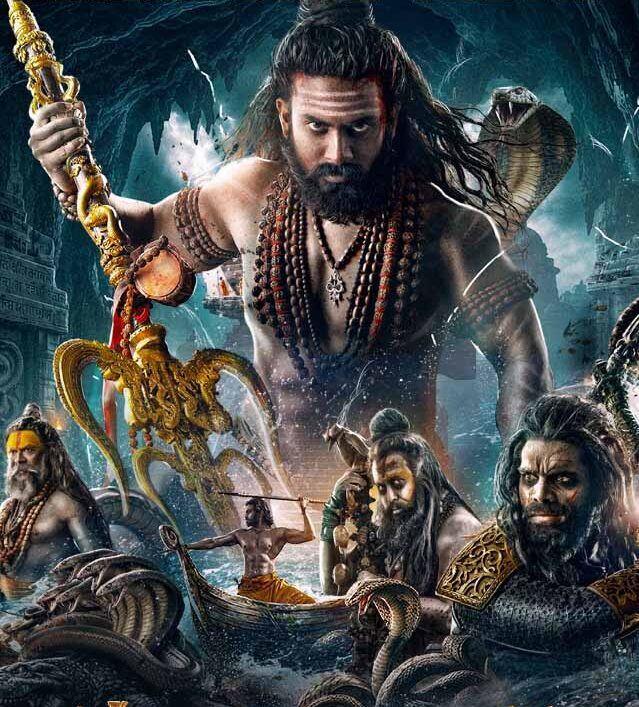
The Telugu film industry has been consistently pushing the boundaries of cinematic scale, and director Abhishek Nama’s massive-budget mythological adventure thriller, Nagabandham: The Secret Treasure (2026), arrives with similar monumental expectations. Centered around ancient Vishnu temples and the spiritual secrets of the Nagabandham ritual, the film aims to blend Sanatana Dharma with high-octane modern VFX.
However, while the film is an undeniable visual achievement, it stumbles heavily under the weight of its own over-ambition, delivering a divided, uneven, and exhausting theatrical experience.
The Plot and Concept
The core concept of Nagabandham is undeniably gripping. The narrative revolves around a mystical, ancient door that must be unlocked, weaving together elements of the past, future, and deep Hindu mythology. It sets itself up as a high-stakes fantasy treasure hunt rooted in religious artifacts and cultural discoveries.
Unfortunately, while the premise promises a tightly-wound mystery, the execution stretches a solid idea into a chaotic, over-stuffed narrative that clocks in at an punishing 3 hours and 15 minutes.
The High Points: Visual Grandeur and Sound
1. Exceptional Production Design
The absolute saving grace of Nagabandham is its sheer scale. The physical sets are massive and awe-inspiring, particularly the breathtaking depiction of the Anantha Padmanabha Swamy temple and the intricate Dasavatharalu sequence. On a big screen, these moments offer pure theatrical majesty.
2. Top-Tier Cinematography
Cameraman Soundar Rajan deserves immense credit. His rich framing, meticulous lighting, and grand visual choices add a deep sense of aesthetic scale to the movie, making every frame look incredibly expensive.
3. A Promising First Half
The film starts on a very strong note. The build-up to the interval manages to maintain solid intrigue, successfully hooking the audience into the mythological lore and the thrill of the treasure hunt.
4. Rousing Background Score
The music by Junaid Kumar and Abhe successfully elevates the divine and high-stakes action sequences. The track “Namo Re” stands out as a genuine auditory and visual highlight that stays with you.
The Low Points: Overdone, Over-Lengthy, and Inconsistent
1. Weak Screenplay and Direction
Where Abhishek Nama succeeds in scaling the movie up, he falters in anchoring its soul. The writing lacks emotional depth. In an attempt to make every single element “perfect” and “next-level,” the makers over-engineered the film. The story shifts abruptly from a compelling mystery into a loud, chaotic action block driven by heavy religious preaching.
2. An Exhausting Runtime
At over 3 hours and 15 minutes, Nagabandham severely tests audience patience. The second half is heavily padded with repetitive action blocks, unnecessary flashbacks, and an item song that feels entirely out of place and jarring in a serious mythological film. Compared to tighter contemporary releases, this feels like an endurance test.
3. Highly Inconsistent VFX
Despite the colossal budget allocated to visual effects, the CGI is a mixed bag. While the large-scale temple sequences look stunning, the visual effects for the animals—specifically the CGI snakes—look highly unfinished, tacky, and dated.
4. Senseless Violence and Bloodbath
The film relies heavily on relentless on-screen gore and prolonged bloodbaths. This excessive violence adds very little value to the spiritual and mythological storyline, making it uncomfortable for family audiences.
Performance Notes
-
Virat Karrna (Rudra): Delivers a physically dedicated performance. He anchors the heavy action sequences with a confident, commanding screen presence, though his emotional expressions leave a lot to be desired in the quieter, dramatic scenes.
-
Nabha Natesh: Surprises the audience by pulling off a complex, dual-shaded role that brings out the narrative’s biggest twists.
-
Jagapathi Babu & Mahesh Manjrekar: Despite their limited screen time, both veteran actors provide a solid, heavyweight presence to the narrative. However, the film’s tendency to push everything over-the-top occasionally forces the villains into the territory of theatrical over-acting.
Final Verdict
Nagabandham: The Secret Treasure is a textbook example of a film trying too hard to beat everything else in its genre. By attempting to make the emotions, the action, the music, and the VFX “larger than life,” the makers ended up over-cooking the entire recipe. It relies entirely on its massive theatrical presentation to hide its foundational narrative flaws.
If you are looking for a loud, visually massive theatrical experience deeply centered around Sanatana Dharma, Nagabandham offers a decent one-time watch on the big screen. However, if you prefer a tightly edited story with a gripping script, you will likely find yourself checking your watch halfway through.
MTI News Rating: ⭐⭐⭐ (3/5 Stars)