By Dr Nehal Shah, Consultant Paediatric Medicine at Narayana Health SRCC Children’s Hospital, said prolonged heatwave conditions should now be treated as a serious public health issue.
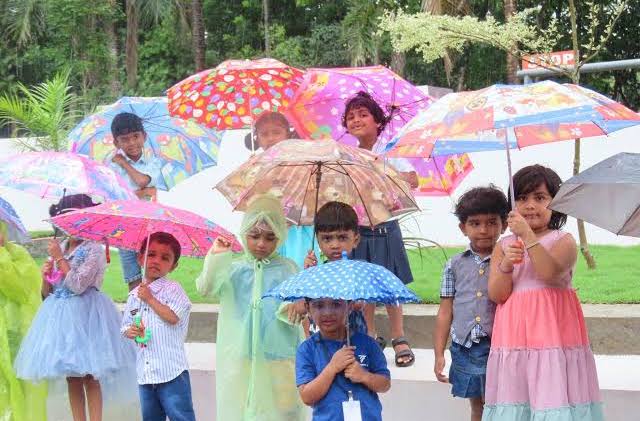
The school bell after summer holidays rings just as the monsoon rains begin in India. For parents this often marks a period of sickness in their children. Health experts blame this trend on ‘the school reopening effect’. It is a pattern where childhood infections surge as the weather turns damp and students return to crowded classrooms. Understanding why this happens helps parents and schools keep children healthy during the rainy months.
Why this ‘school reopening effect’ puts kids at risk
The link between the June rains and back-to-school illnesses is no coincidence. When children return to school they move from being in the protected confines of their homes to being in close proximity to a number of students in their classrooms. They share benches, books and sports equipment. This high level of sudden mingling in close quarters allows viruses to spread quickly through air and via touch.
The environment plays a role too. The air during rains gets humid, creating a setting that helps growth and survival of germs. Viruses like the cold can live longer on wet or humid surfaces. When the air is heavy, moisture droplets from a cough or sneeze can linger in the air for a longer duration, thus increasing the chances of children inhaling these particles. Stagnant water near school grounds also creates breeding spots for insects that carry diseases adding another layer of risk to the school environment.
Common illnesses during the monsoon
The rains bring a host of infections that can affect children who are particularly vulnerable. These include respiratory tract infections such as cold and cough, flu or viral fever, and bronchitis too. Because children spend hours in classrooms with peers, these infections spread with ease. If the harsh summer has in any way weakened a child’s immune system, it can make them more prone to these infections.
Gastrointestinal issues are a common problem during the monsoon season. Illnesses like rotavirus or bacterial stomach infections often spread through contaminated water or food. If a school’s water supply is not handled with care, or if children eat food prepared in unhygienic conditions, the risk of catching that stomach bug goes up.
Vector-borne diseases are another concern. Mosquitoes lay eggs in water which can build up quickly during the monsoon, in corners, puddles left uncleared, stagnant water in pot holders, old bins, tyres or buckets. Infections like dengue, malaria and chikungunya spread rapidly when mosquitoes find access to school grounds or nearby areas. Because these infections can be severe they require immediate attention and prevention too.
Factors driving the ‘school reopening effect’
Several factors work together to make children’s return to school a health challenge. The most obvious is the change in exposure. During the summer break children have limited contact with other classmates. Their immune systems are not tested much. Once they re-enter the school setting they are suddenly bombarded with a variety of bacteria and viruses that they have not encountered for weeks. This sudden exposure can overwhelm a child’s immune system which is not yet prepared to fight off new infections.
Hygiene plays a very important role in keeping young ones healthy. Washing hands till wrists, under fingernails and between fingers is the correct method to maintain hand hygiene. Keeping surfaces like desks and door handles clean is a constant challenge. If sanitation protocols are not tight, infections will find a way to children whose immunity is low.
When we talk of children’s health, nutrition and physical fitness matter greatly. A diet lacking in nutrients makes it harder for the body to fight off infection. Summer holidays often involve changes in sleep and eating habits. When the academic year starts, the sudden shift back to early morning rush hour, and intense focus in classrooms can leave a child tired. A tired body is more likely to fall ill when a virus attacks.
Tips to keep children healthy
Protecting a child’s health during the monsoon requires good practices at home and at school, with clear rules. First and foremost, double down on hygiene and teach your children that washing hands is not optional. They should scrub with soap for at least 20 seconds, especially after using the bathroom, before eating a meal or snack, and as soon as they get home from school.
Next is respiratory etiquette. Children must be taught to cover their nose and mouth with a tissue or their elbow when they sneeze or cough. This simple habit keeps germs contained and prevents its spread. If your child feels unwell, keep them home. Sending a sick child to school makes the spread of infection faster among their classmates and teachers.
Schools have a role in helping children stay healthy too. They should ensure that water dispensers are cleaned regularly, and bathrooms are stocked with soap and water. Regular disinfection of classrooms, door handles, and desk surfaces can prevent the spread of infections to a great extent. Schools can also host awareness sessions to teach students why following such hygiene matters.
Boosting a child’s defence through nutrition is a must. Serve foods that include vegetables, and seasonal fruits to ensure they get enough vitamins. Hydration is key, so make sure your children carry clean water from home. Adequate sleep is non-negotiable as it allows the body to recover well. Check that your child’s vaccinations are up to date.
Finally, stay alert for warning signs —a fever that does not go away, trouble breathing, or persistent stomach pain are some signals that you should not ignore, and consult a paediatrician. Do not wait for symptoms to worsen. Early medical advice can make a difference to quickly a child recovers.
A proactive approach to health
The rise in infections after schools reopen at the start of the monsoon is a reality in India. While the combination of school activities, and damp rainy weather creates a high-risk environment, you are not powerless. By focusing on hygiene, proper nutrition and quick responses to symptoms, you can shield your child from the worst infections of the season.
Protection is a team effort. When parents and schools work together, children can enjoy their classes without spending half the term in bed. Stay informed, stay clean, and take proactive steps to make the academic year a healthy one.