
Business
₹50,000 Crore Diamond Scam: Journalist Hardik Hundiya Exposes Mumbai’s Black Money

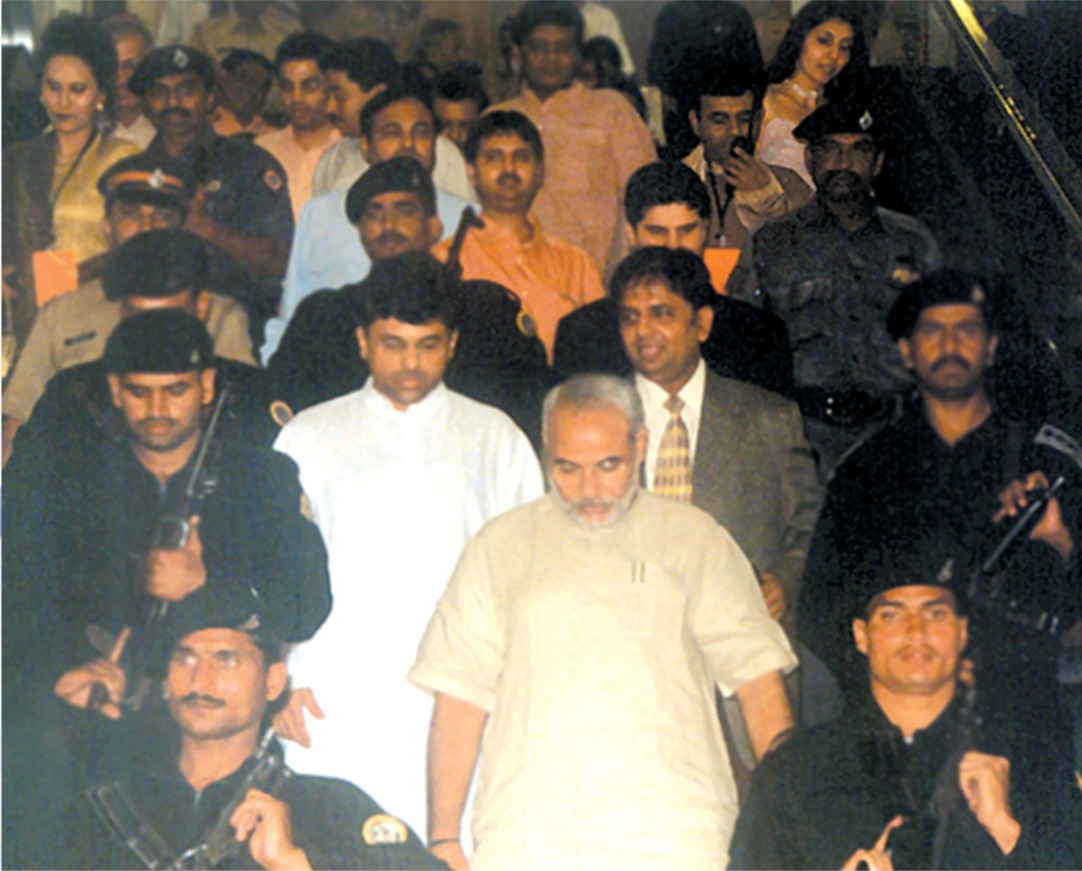
Mumbai, India – June 21, 2025 – The phrase “₹10 becomes ₹20” often floats around Mumbai’s bustling streets as a humorous jibe. Still, recent revelations from the city’s diamond market suggest a much darker and staggering reality, where ₹1,000 is allegedly turning into ₹21,000. This isn’t a gimmick; it’s a claim made by diamond expert Hardik Hundiya, who has alleged a massive ₹50,000 crore scam taking place within Mumbai’s internationally renowned diamond market.
The Allegation: Diamonds as a Front for Hawala
According to Hundiya, certain traders are using imported rough diamonds as a conduit for hawala (illegal money transfers). These traders allegedly over-inflate the value of diamonds on import documents, turning relatively low-value stones into outrageously priced commodities on paper. This allows massive amounts of money to be funneled out of India under the guise of legitimate trade.
While the Directorate of Revenue Intelligence (DRI) has estimated the scam to be around ₹3,000 crore, Hundiya believes it is far greater — up to ₹50,000 crore, making it potentially India’s biggest diamond-related financial fraud to date.
How the Scam Works
Fake Valuations: Rough diamonds worth ₹30–50 lakh are being declared as being worth ₹6 crore or more during import.
Overseas Payments: The inflated value is paid to foreign sellers, allowing black money to be routed abroad.
Shell Companies: Many importers are allegedly operating through fake or untraceable firms, with addresses that don’t exist.
Customs Loopholes: With no import duty on rough diamonds, authorities allegedly show leniency, and customs officers, valuers, and clearing agents may be complicit.
Round-Tripping: Diamonds are exported and re-imported with manipulated values, generating bogus trade volumes and enabling bank loans based on falsified balance sheets.
Examples of Discrepancies
A consignment declared at ₹6.11 crore had a market value of only ₹29 lakh, a difference of ₹5.82 crore.
Another shipment valued at ₹6.10 crore was worth just ₹4 lakh in the domestic market.
Multiple such entries show value inflation of ₹5–6 crore per lot.
These figures show how easily black money can be laundered through inflated invoices and fictitious import-export routes.
The Impact: A Threat to India’s Global Reputation
India is one of the world’s largest diamond processing hubs. The city of Surat handles a bulk of the cutting and polishing, while Mumbai’s diamond market (Bharat Diamond Bourse) handles billions worth of trade annually. However, this emerging scandal threatens to tarnish India’s global image as a legitimate player in the diamond industry.
Hundiya has appealed directly to Prime Minister Narendra Modi to personally look into the matter, citing fears that such scams could derail India’s reputation and financial stability.
Who Is Involved?
According to sources, the DRI has arrested four individuals, including three valuers and one clearing agent.
Investigations suggest around 40 traders have been previously flagged by customs and the ED (Enforcement Directorate) but were let off due to insufficient evidence or political shielding.
Government Action and Policy Loopholes
Recently, the import duty on polished diamonds was increased from 2.5% to 5%, but experts say that without proper valuation mechanisms, such regulatory tweaks won’t prevent abuse.
Diamond pricing is largely subjective, decided by traders themselves during processing, creating massive room for manipulation.
 Why This Scam Is Hard to Crack
Diamond pricing lacks standardized benchmarks.
Large volume of round-tripping transactions.
Reliance on trust and self-declared value in the global diamond trade.
Complex nexus between banks, auditors, and traders.
Conclusion: A Billion-Dollar Black Hole
The alleged ₹50,000 crore scam is not just about diamonds; it’s a systemic failure involving policy loopholes, regulatory inaction, and deep-rooted financial manipulation. If not tackled swiftly, it could jeopardize India’s standing in the global gem trade and allow billions of black money to flow unchecked through glittering stones.
As this investigation unfolds, the Indian government must ensure accountability, transparency, and a reform of valuation systems in the diamond industry — because what appears shiny on the outside may be masking a deep, dark rot within.
About Hardik Hundiya:
The Fearless Voice of Truth in Indian Journalism
In the world of journalism, where many succumb to the pressures of power or sensationalism, Hardik Hundiya stands out as a beacon of integrity, courage, and social commitment. A respected journalist, publisher, and public intellectual, Hardikbhai has devoted his life to truth-based journalism, not for popularity or prestige, but to serve the people and uphold democratic values.
From Diamonds to a Deeper Purpose
Born in Deesa, a small town in Gujarat, Hardik Hundiya arrived in Mumbai in 1988 with dreams of building a future in the diamond industry under the guidance of his uncle, Shri Sumer Hundiya. A brief attempt at making a mark in Bollywood followed, but the glamour and superficiality of both worlds left him disillusioned.
It was in journalism that Hardikbhai found a calling aligned with his inner values. In 1997, he founded Hira Manek, a Gujarati weekly named after a gemstone — a tribute to truth and clarity. Focused on developments within the diamond industry, the publication quickly gained a loyal readership for its fearless reporting. Now running successfully for over 14 consecutive years, Hira Manek is a respected voice among traders and merchants alike.
Expanding Horizons: The Star Report
To further extend his mission, Hardikbhai launched The Star Report, a Hindi magazine that highlights national issues, honors unsung heroes, and shines a spotlight on those driving positive change in society. His work bridges grassroots stories with national discourse — a rare blend of sharp critique and social upliftment.
Honors and Recognitions
For his journalistic contributions, Hardikbhai was honored by the International Association of Educators for World Peace — a recognition that reflects the depth of his social impact. His ability to distill complex issues and communicate them with honesty has earned him not only awards but the trust of the common man.
Rooted in Dharma, Driven by Justice
A staunch follower of Jain dharma, Hardikbhai’s journalism is driven by ethics, compassion, and righteousness. Inspired by his spiritual mentor, Param Acharya Dev Shrimad Vijay Yesheswar Surishwarji Maharaj, he follows the simple yet powerful life mantra: “Help with love.” His unwavering values define his work — and his life.
From earning ₹1,200 a month and working 15-18 hours daily to becoming the face of fearless journalism, his journey is a masterclass in dedication, perseverance, and purpose.
Journalism in the Face of Adversity
Hardikbhai has never shied away from asking difficult questions, even if it means confronting the powerful or enduring legal threats.
“In Jainism, if you take a vow to donate money, it must go to the community — not to private trusts. When I raised this in an article, I was served with an FIR.”
He has also bravely supported a woman who suffered mental distress due to a religious figure’s conduct. She wrote to the Prime Minister, Chief Minister, and Women’s Commission and shared her story on national TV. Hardikbhai stood by her — not as an activist, but as a journalist and a human being. Yet again, an FIR followed.
 Unmasking the Diamond Scam: ₹50,000 Crore Exposed
Hardik Hundiya brought to light one of the most shocking revelations in India’s financial world — a ₹50,000 crore hawala scam allegedly linked to inflated diamond imports.
“Why is the dollar rising? How are certain traders exploiting hawala routes to launder money abroad? Why must 130 crore Indians pay the price?”
He was among the first to demand the seizure of Mehul Choksi’s passport — a move that could have prevented Choksi’s escape. His investigations further exposed how Mehul Choksi and Nirav Modi issued fake diamond certifications, misleading thousands of Indian buyers — a scam that would eventually shake the financial and political corridors of India.
Standing Tall Against Threats and Lawsuits
When Hardikbhai questioned a politician’s sudden interest in animal welfare during elections, he received a ₹200 crore defamation notice in return.
Still, he persisted — because, as he says:
“I speak the truth. I ask questions that matter. Because I am a journalist.”
Building Platforms for Truth
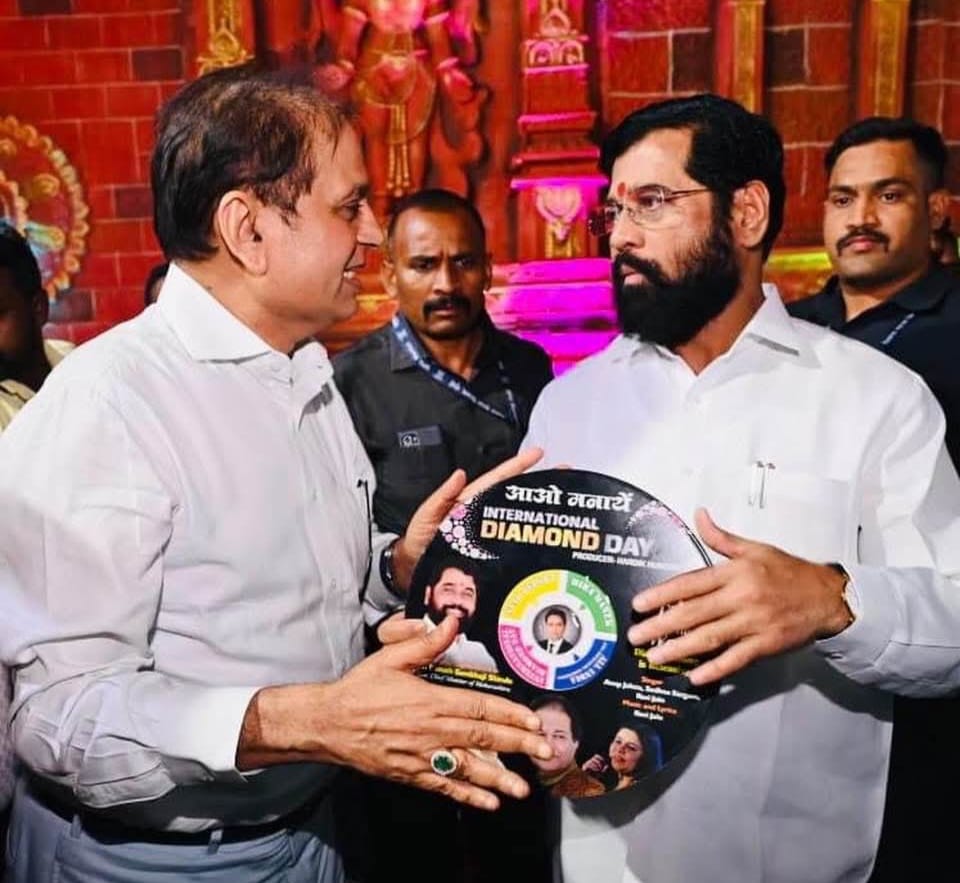
Founded International Diamond Day to democratize diamond accessibility for all Indians.
Exposed fraudulent practices under the guise of animal welfare (Jivdaya).
Successfully won a legal battle for the trademark of Star Report, even against a major media house.
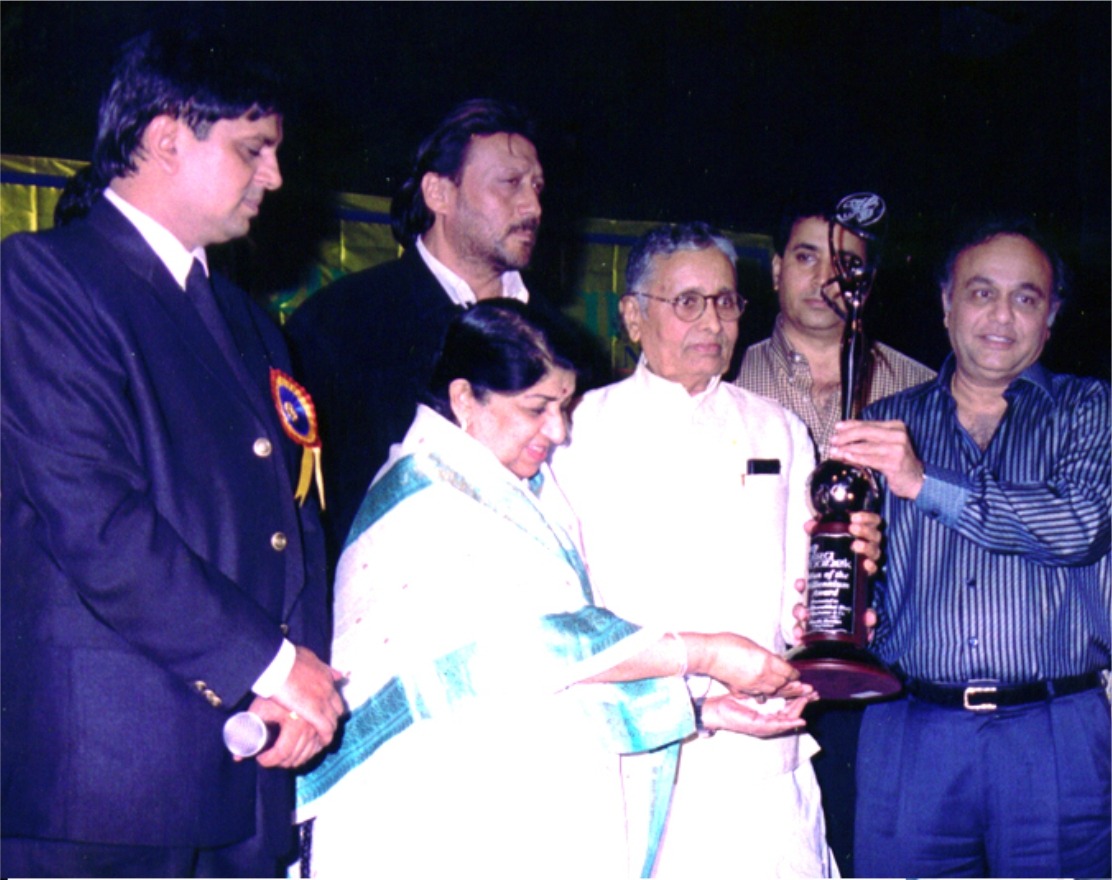
A Journalist Among Giants
Hardikbhai’s credibility has brought him face to face with some of India’s most influential personalities:
Prime Minister Narendra Modi
Former President Pranab Mukherjee
Balasaheb Thackeray
Justice Dalveer Bhandari
Ratan Tata
Amitabh Bachchan
Lata Mangeshkar
Kapil Dev
Sachin Tendulkar
PV Sindhu
Anna Hazare, among others
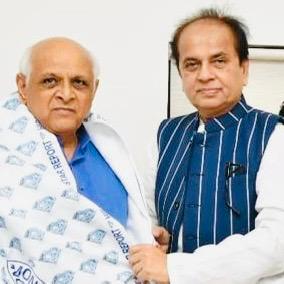 Their recognition of his work reflects his neutrality, depth, and commitment to ethical journalism.
Final Reflections
“A journalist is an awakened citizen — a mirror to society. When I bring truth to light, I receive society’s blessings. I am proud to say — I am a journalist.”
Hardik Hundiya’s life is a shining example of principled journalism. In an age where news is often filtered through bias or fear, his voice is one of rare clarity and courage.
With humility, faith, and fearlessness, Hardik Hundiya continues his mission — not for headlines, but for justice; not for applause, but for truth. And in doing so, he reminds us why journalism matters.
Salute to every journalist who dares to speak truth to power.
May the blessings of Goddess Saraswati always guide such voices, because journalism is not just a profession. It is a responsibility.